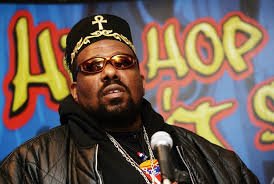
Afrika Bambaataa, widely regarded as one of hip-hop’s foundational pioneers, died on Thursday in Pennsylvania from prostate cancer, according to his lawyer. He was 68.
His death prompted an international wave of tributes from fans, friends, and collaborators who credited him with helping shape hip-hop into a global cultural and political force. At the same time, his legacy in recent years had been complicated by longstanding allegations of sexual abuse made by multiple individuals who said they knew him when they were minors.
Bambaataa, born Lance Taylor in 1957 in New York City’s South Bronx, is best known for influential early works such as the 1982 track “Planet Rock” and for establishing the Universal Zulu Nation, a cultural collective tied to hip-hop’s early development.
His talent agency, Naf Management Entertainment, described him in a statement as central to hip-hop’s identity, saying his influence lives on in the music, gatherings, and global communities shaped by the genre.
Early life and rise in hip-hop
Bambaataa grew up in the South Bronx during a period of severe urban decline marked by poverty, housing neglect, and economic hardship. Raised in a public housing complex by his mother and of Jamaican and Barbadian heritage, he was exposed early to music through her record collection.
In the 1970s, he began organizing and DJing community parties, becoming part of the emerging hip-hop scene alongside other early innovators. He drew inspiration from DJs such as Kool Herc and became known for rapidly switching records and emphasizing breakbeats that energized crowds.
He later incorporated electro sounds and the Roland TR-808 drum machine, helping bridge hip-hop with emerging electronic music styles.
Bambaataa also became known for his community-driven philosophy. Drawing on his early involvement with the Black Spades, he helped form the Zulu Nation, later renamed the Universal Zulu Nation to promote inclusivity. The group promoted ideals summarized in the phrase “peace, love, unity and having fun,” and aimed to reduce gang conflict through music and cultural engagement.
Influence and legacy
His work with Afrika Bambaataa and Soulsonic Force helped define early electro-funk and hip-hop’s expanding sound in the 1980s. Supporters often credited him with helping turn hip-hop into a unifying cultural movement that offered identity and belonging to marginalized youth.
Allegations and controversy
In later years, Bambaataa’s legacy was overshadowed by multiple allegations of sexual abuse. The first widely publicized accusation came in 2016 from Bronx activist Ronald Savage, who said he was abused by Bambaataa in 1980 when he was a teenager. Bambaataa consistently denied the allegations.
Following Savage’s public claims, other individuals came forward with similar accusations. That same year, the Universal Zulu Nation issued a statement apologizing to alleged survivors and acknowledging that some members had been aware of accusations but did not report them.
In 2025, Bambaataa lost a civil case brought by an anonymous plaintiff alleging child sexual abuse and trafficking.
Despite the controversy, many in the music world continue to credit him with playing a key role in shaping hip-hop’s early sound, structure, and global reach.
About the Author