Here’s a clear, engaging rewrite of your passage:
Tourists gathered beneath the Door of No Return, a symbolic arch on the beach in Ouidah, southern Benin, built to honor those forced onto slave ships bound for the New World.
In recent years, Benin—where a presidential election was held on Sunday—has begun embracing its painful past as a way to promote tourism.
Ouidah, once a major hub in the transatlantic slave trade, now sits at the center of efforts to reclaim and share the country’s history, culture, and heritage.
Rising nearly 17 meters along the coast, the restored Door of No Return has become a key attraction. Its ochre-and-gold structure features carvings of enslaved people, captured mid-step as they were marched toward the sea.
Nearby, a full-scale replica of L’Aurore—one of the last ships to depart Ouidah for Cuba around 1860—is set to open as an immersive museum dedicated to the slave trade.
“It reminds us of where we come from,” said Arsene Ahounou, an engineer from Cotonou visiting for the day. “Our history is rich and not widely known, so it’s important to build tourism around it.”
“For us as natives, understanding our past truly matters,” he added.
Onyinye Anumba, visiting with friends from Nigeria, paused for photos and described the experience as powerful. “As an African, I’ve read so much about this place. Being here makes me proud of what Africa has,” she said.
Elsewhere in Ouidah, visitors explored the centuries-old Python Temple, learning about Vodun—commonly known as Voodoo—a traditional religion deeply rooted in the area.
As tourists posed with snakes draped over their shoulders, guides explained their spiritual meaning in local beliefs.
Modeste Zinsou, the temple’s head guide with over 35 years of experience, noted how tourism in Benin has evolved. “This isn’t mass tourism—it’s cultural tourism. The sacred aspect remains intact,” he said. “We are retelling our own story and breaking down the myths surrounding Vodun.”
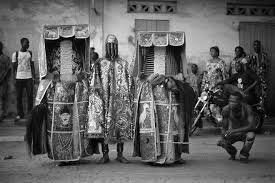
Benin, considered the birthplace of Vodun, now hosts the annual Vodun Days festival, featuring dance, masks, and traditional rituals. The event has become a major draw, attracting around two million visitors this year—most of them locals.
“The government has encouraged domestic tourism, helping Beninese people reconnect with their identity,” Zinsou added.
To support the growing industry, the country has invested in infrastructure, including improved roads and renovated hotels. Plans are underway for a Club Med resort by 2027, and visa rules have been relaxed for many travelers.
“We are not rich in natural resources, so we had to identify our true wealth,” said Alain Godonou, a presidential adviser on heritage and museums. “Benin is a land of deep culture and history, especially as a witness to the slave trade.”
He hopes tourism will grow to contribute 10 to 15 percent of the nation’s GDP within the next decade, up from around six percent today.
Sunday’s election will bring a successor to President Patrice Talon, who is stepping down after two terms. Leading candidate Romuald Wadagni, the current finance minister, has pledged to continue these tourism initiatives.
Since 2024, Benin has also offered citizenship to people of African descent whose ancestors were taken during the slave trade. “It is a way of restoring justice to the diaspora,” Godonou said.
In Cotonou, the country’s largest city, the Amazon Monument has become another major attraction. The 30-meter steel statue honors the legendary female warriors of the Dahomey Kingdom, depicted with a rifle and dagger.
On Easter Monday, crowds filled the plaza, taking photos and enjoying the site.
“It’s a source of pride,” said vendor Geraldine Sedami Yagbo. “We may not have the means to travel abroad, but this—this is our Eiffel Tower.”
About the Author